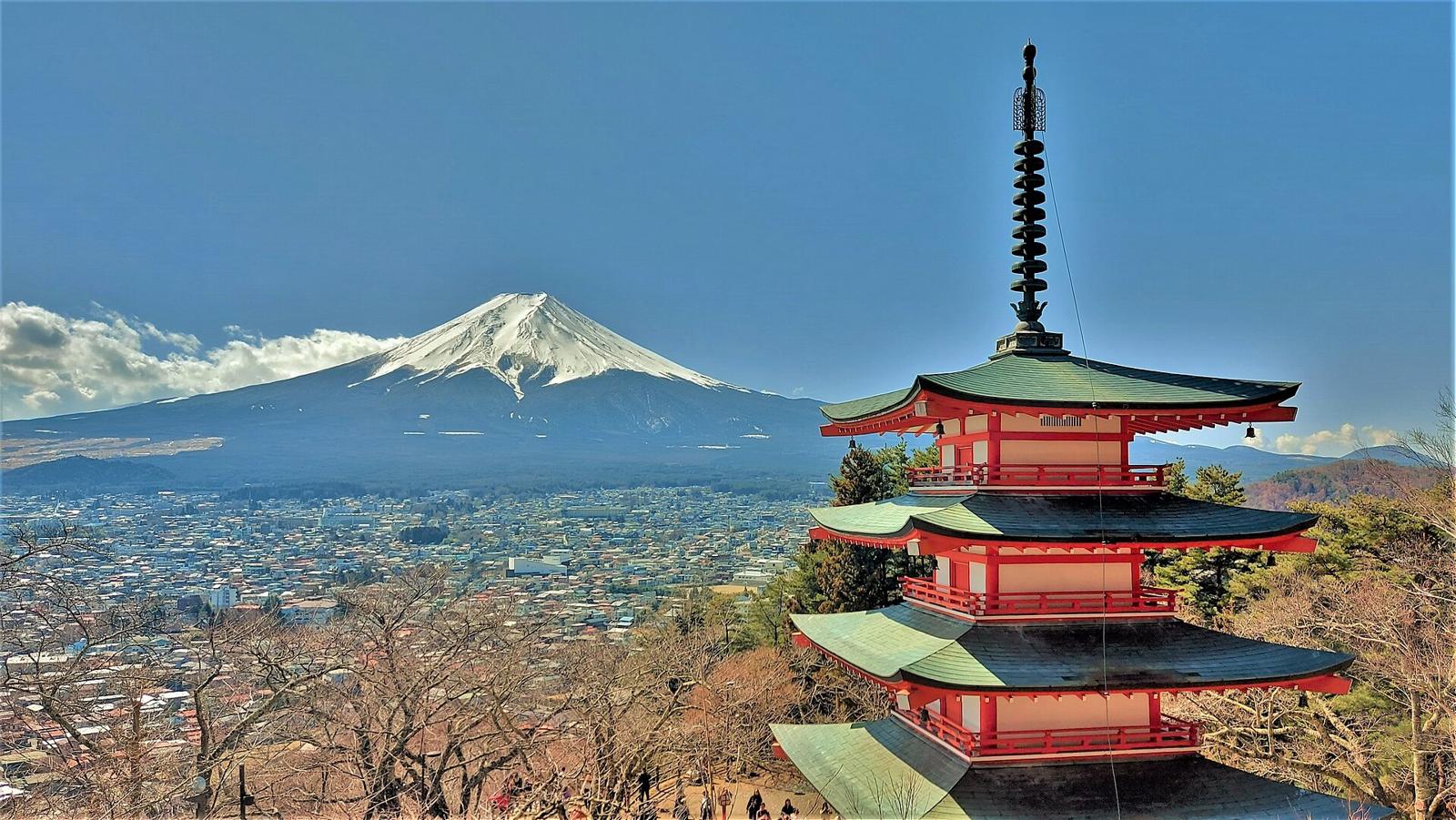
What draws people there
- Kyoto, its temples and gardens
- Mount Fuji and the lakes below it
- The Japanese Alps and mountain villages
- Food, from markets to tiny counter restaurants
Who it suits
For anyone who wants a comfortable, safe and very different country.
Things to keep in mind
- Cherry blossom and autumn colours mean full hotels
- City accommodation is pricier, so book early
Frequently asked questions
When is the best time to visit Japan?
Usually March–May and October–November. In your guide we look at the weather for your exact dates, including rain and temperatures.
How many days do I need for Japan?
We recommend 14–21 days. On a shorter trip it is better to choose fewer regions and move less often.
Who is Japan good for?
For anyone who wants a comfortable, safe and very different country.
What should I watch out for in Japan?
Cherry blossom and autumn colours mean full hotels. City accommodation is pricier, so book early. We check current official travel advice and entry requirements in every guide.
How fast do I get my personal guide?
Within 24 hours of payment. Fill in a short form about who is going, when and what you enjoy, and you get your own website with a map, photos and a suggested route, from €35.
Similar destinations
Thailand
The easiest way into Southeast Asia: limestone islands, temples, street food and transport that works.
When to go: November–March (Andaman Sea); April–September better for Koh Samui and aroundVietnam
A long country: mountains in the north, bays and old towns in the middle, the Mekong Delta in the south.
When to go: March–May and September–November (north), December–April (south)Cambodia
The temples of Angkor, rice-field countryside and a quiet coast. Often combined with Vietnam or Laos.
When to go: November–March